Encode vs Incode: Meaning Spelling Differences and Examples

encode vs incode

Typing a word into a form and seeing “encode” pop up, then spotting “incode” somewhere else, is enough to make anyone pause. Encode vs incode: which one is even real? Here’s the short answer: encode is the word you want almost every time, whether you’re talking about converting data, text, or files into a specific … Read more

Mentioned vs Mentionned: Which Spelling Is Correct?

mentioned vs mentionned

Typing “mentionned” feels right to a lot of writers, especially if you’ve studied French or just type fast but it’s wrong every time. The correct spelling is “mentioned,” with a single n before the final -ed, and no amount of double-checking changes that rule. This mix-up trips up even confident writers because English spelling doesn’t … Read more

Immerse vs Emerge: Meaning Differences Examples and Correct Usage

immerse vs emerse

Immerse vs emerse? Here’s the twist: one of these words barely exists in modern English anymore. “Emerse” sounds like it should mean the opposite of “immerse,” but in reality, almost nobody uses it today, and most dictionaries treat it as archaic or obsolete. That tiny detail trips up more writers than you’d expect. You sit … Read more

Cryer vs Crier: Meaning Spelling Differences and Examples

cryer vs crier

Most people get this one wrong the first time they type it: “cryer” looks right, but “crier” is the word English actually recognizes. The mix-up happens because “cry” ends in a consonant, and we’re used to adding “-er” straight onto verbs like that think “player” or “singer.” But crier breaks that pattern, and that’s exactly … Read more

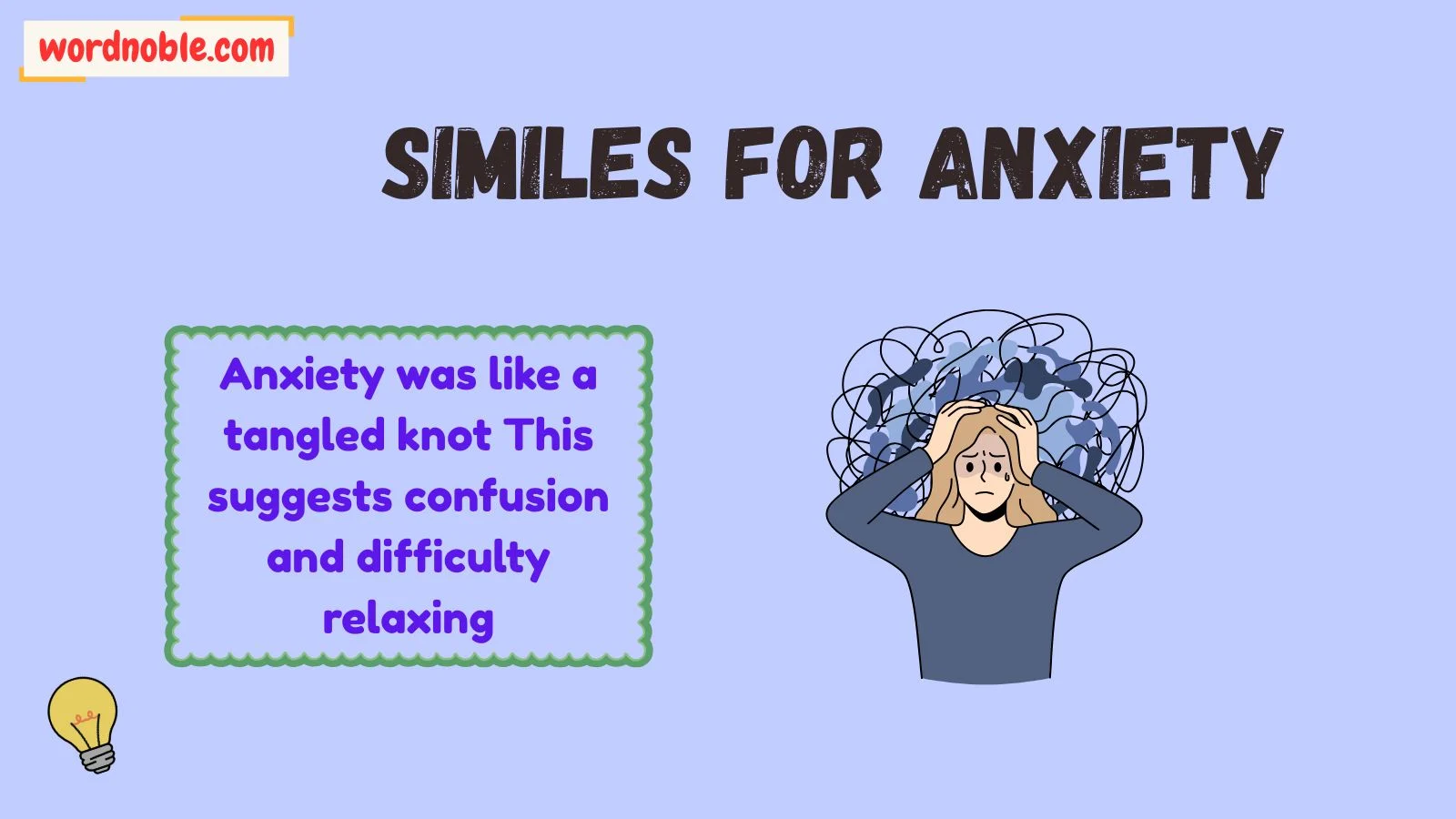
Similes for Anxiety: Examples to Describe Worry and Nervousness

similes for anxiety

Your chest tightens. Your thoughts race in circles. And somehow, plain words like “nervous” or “worried” just don’t capture what’s happening inside you. That’s exactly why similes for anxiety exist they give shape to a feeling that often feels shapeless and overwhelming. Anxiety isn’t just an emotion; it’s a physical, almost sensory experience, and the … Read more